Pod System Manufacturer
Pod System Manufacturer for Product Development and Production
Pod systems require close coordination between the device, pod or cartridge, battery, heating system, airflow structure, materials, assembly process, and packaging.
For brands developing a pod product, choosing a suitable pod system manufacturer means looking beyond the finished appearance of the device. The manufacturing process needs to connect product development with engineering, component compatibility, production requirements, quality control, and commercial supply.
ELVIA provides pod system manufacturing capabilities for businesses developing and producing pod-based vape products.
Our approach connects product requirements with development, sampling, manufacturing preparation, production, inspection, and supply. This creates a structured path from an initial pod system concept or existing product specification to a production-ready product.
This page focuses specifically on ELVIA's pod system manufacturing capabilities. General company manufacturing information is covered by the main Vape Manufacturer page, while private-label and customization requirements are addressed through the dedicated OEM Vape Manufacturing solution.
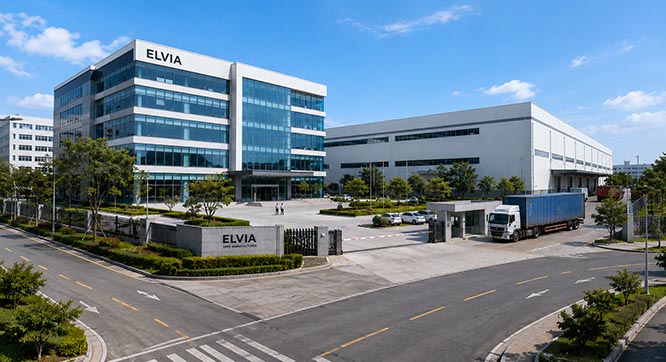
What Is a Pod System Manufacturer?
A pod system manufacturer develops and produces pod-based vaping devices according to defined technical, functional, quality, and commercial requirements.
Depending on the project, pod system manufacturing may involve:
Pod device product development
Device structure and engineering
Pod or cartridge development
Battery and power-system integration
Heating-system configuration
Airflow design
Component coordination
Prototype and sample development
Production engineering
Device and pod assembly
Functional inspection
Appearance inspection
Packaging coordination
Quality control
Commercial production planning
The exact manufacturing process depends on the product architecture and specifications.
A pod system is not simply a small vape device. The device and pod need to work as an integrated system, making compatibility between components an important part of product development and manufacturing.
ELVIA Pod System Manufacturing Capabilities
ELVIA approaches pod manufacturing as a connected product-development and production process.
The general workflow is:
Product Requirements → Engineering → Sample Development → Evaluation → Production Preparation → Manufacturing → Quality Control → Packaging → Supply
Each stage provides information for the next.
Product requirements define the intended product. Engineering translates those requirements into a manufacturable structure. Samples provide a physical reference for evaluation. Once specifications are confirmed, production preparation establishes the requirements for commercial manufacturing.
This process helps create a clearer connection between the approved product and the final production output.
Pod System Development Starts With the Product Specification
Every pod system project begins with a defined product requirement.
Depending on the project, the specification may include:
Device dimensions
Pod or cartridge format
Battery configuration
Activation method
Airflow structure
Heating-system configuration
Materials
Exterior design
Charging configuration
Product appearance
Packaging requirements
Labeling requirements
Target production quantity
A customer may already have a complete technical specification, an existing product, a sample, a drawing, or simply a product concept.
The starting point determines how much development work is required before production.
For an established pod product, the focus may be technical review and production preparation.
For a new product, the process may require additional engineering, sample development, evaluation, and specification refinement.
Device and Pod Compatibility
One of the defining characteristics of a pod system is the relationship between the device and the pod.
The two components need to function as a coordinated system.
Manufacturing considerations may therefore include:
Physical Compatibility
The pod needs to fit correctly within the device according to the defined product structure.
Dimensional relationships, connection points, alignment, and assembly requirements can all influence the final product.
Electrical Compatibility
Where applicable, the pod and device configuration needs to be compatible with the intended electrical and heating system.
Component specifications therefore need to be considered together rather than independently.
Airflow Configuration
Airflow is another product-specific consideration.
The airflow structure needs to correspond with the intended device configuration and overall product design.
Assembly and Production Compatibility
A design that works as an individual prototype may still require evaluation for repeatable commercial production.
The manufacturing process therefore considers how the device and pod can be consistently assembled and inspected at production scale.
Pod System Engineering and Product Development
Engineering plays an important role in pod system manufacturing because several components need to operate together within a compact product architecture.
Depending on the project, development may involve:
Structural design coordination
Component integration
Pod-device interface
Battery integration
Heating-system configuration
Airflow structure
Materials
Assembly requirements
Production tolerances
Packaging integration
The objective is to establish a product configuration that can be evaluated and then transferred into a controlled production process.
For brands, this provides a more structured pathway than treating product design and manufacturing as separate activities.
From Prototype to Production-Ready Pod System
A prototype or sample allows the proposed pod system to be evaluated before commercial production.
Sample evaluation may cover:
Physical dimensions
Appearance
Device and pod fit
Component configuration
Product operation
Assembly
Materials
Packaging
Labeling
Other agreed specifications
The purpose of sampling is not simply to produce a visual prototype.
It provides an opportunity to compare the physical product against the intended specification and identify areas that may require adjustment before production.
Once the product has been evaluated and the specifications are confirmed, the approved version can become the production reference.
This creates a clearer transition from development to manufacturing.
Pod System Manufacturing Process
A structured pod production process can generally be divided into several stages.
Component Preparation
The required components and materials are prepared according to the approved product specification.
Component requirements should correspond with the product structure and manufacturing documentation.
Device Assembly
Applicable components are assembled according to the defined manufacturing process.
Assembly requirements can vary depending on the device architecture and product configuration.
Pod or Cartridge Assembly
The pod or cartridge is manufactured and assembled according to its specific configuration.
The relationship between the pod and device remains an important consideration throughout the production process.
Functional Inspection
Applicable functional checks are performed according to the product requirements.
The exact testing requirements depend on the design and agreed production specifications.
Appearance and Packaging Inspection
Finished products can be checked for appearance, packaging, labeling, and other defined requirements before final production release.
This creates multiple quality checkpoints rather than relying solely on a final visual inspection.
Quality Control for Pod System Manufacturing
Quality management is an important part of pod device manufacturing because consistency needs to be maintained across both the device and pod components.
Depending on the project, quality checkpoints may include:
Incoming Component Inspection
Components and materials are checked against applicable specifications.
Assembly Inspection
Production assembly is reviewed to identify potential inconsistencies.
Device Inspection
The device is evaluated against the defined product requirements.
Pod Inspection
The pod or cartridge is checked according to its applicable specifications.
Compatibility Checks
The device and pod configuration can be evaluated as an integrated system.
Functional Testing
Applicable product functions are checked according to the agreed requirements.
Appearance Inspection
Finished products are inspected for defined appearance requirements.
Packaging Verification
Packaging and labeling information are checked before shipment.
The exact quality-control process depends on the specific pod system and production requirements.
Manufacturing Different Pod System Configurations
Pod systems can be developed in different configurations, and the manufacturing process needs to reflect the selected architecture.
Refillable Pod Systems
Refillable pod systems are designed around a reusable device combined with a refillable pod structure.
Manufacturing considerations can include the device architecture, pod structure, interface, materials, airflow, filling design, and packaging.
Prefilled Pod Systems
Prefilled pod systems use a preconfigured pod or cartridge.
The manufacturing workflow therefore needs to consider the relationship between the device and the prefilled pod, together with the applicable filling, assembly, packaging, and quality requirements.
The specific configuration should be established during the product-development stage before production preparation begins.
Pod Device Manufacturing for New Brands
New brands may begin with an initial concept rather than a finished product specification.
In this situation, the manufacturing pathway can start with defining the product requirements.
A typical development sequence is:
Product Concept → Specification → Engineering → Sample → Evaluation → Final Specification → Production
This process allows the product to evolve through defined stages before commercial manufacturing.
The objective is to create a clear production reference rather than moving directly from an early concept into volume production.
Pod Manufacturing for Established Brands
Established brands may already have a complete product specification, technical drawing, approved sample, or existing pod system.
In this case, the manufacturing project can begin with technical review and production evaluation.
The focus may then shift toward:
Production consistency
Component coordination
Quality control
Assembly requirements
Packaging
Production planning
Supply coordination
This allows the manufacturing process to match the actual starting point of the project.
Private-Label Pod System Manufacturing
Pod systems are also commonly developed for brand-specific product programs.
A private-label project may involve customer-specific requirements related to:
Product appearance
Device configuration
Pod format
Branding
Packaging
Labeling
Product specifications
However, this page focuses on the underlying pod manufacturing capability rather than repeating the complete private-label process.
For customers looking specifically for customized products, branding, or OEM/private-label production, the dedicated OEM Vape Manufacturing page provides the appropriate next step.
This separation keeps the manufacturing and OEM pages focused on different search intents.
Why Pod Manufacturing Requires Manufacturing Experience
Pod systems combine multiple components into a relatively compact product architecture.
As a result, product development and manufacturing need to be considered together.
A product specification may define the intended dimensions and functions, but commercial production also needs to consider assembly, component consistency, quality checkpoints, packaging, and repeatability.
A manufacturing partner therefore needs to understand the relationship between:
Product Design → Components → Assembly → Testing → Quality → Commercial Production
This is one reason why manufacturing information should include more than product photographs or basic specifications.
Factory information, production processes, engineering resources, quality procedures, product samples, and manufacturing documentation can provide a more complete picture of the organization behind the product.
Manufacturing Evidence and EEAT
For brands evaluating a pod system manufacturer, first-hand manufacturing evidence is more useful than generic claims.
Relevant evidence can include:
Factory information
Production equipment
Product-development resources
Engineering processes
Quality-control procedures
Product samples
Manufacturing documentation
Certifications
Production photographs
Real project examples
Company and team information
ELVIA's website is structured to connect these different sources of information.
The company profile establishes who ELVIA is. Manufacturing pages explain how production is organized. Product pages explain the available product categories. Quality and certification information provides additional evidence supporting the manufacturing process.
This creates a more transparent path for prospective customers to evaluate a manufacturing partner.
Pod System Manufacturing and Supply Planning
Manufacturing does not end when a product leaves the assembly process.
For commercial brands, production planning and supply coordination are also important.
Before production, relevant requirements may include:
Product specifications
Component requirements
Packaging
Production quantity
Quality requirements
Delivery planning
Documentation
Clear information at the beginning of a project helps create a more organized manufacturing process.
For repeat production, the approved product specification and production reference can also provide continuity between production runs.
Why Choose a Specialized Pod System Manufacturer?
A pod system manufacturer should be evaluated according to the capabilities relevant to the actual product.
Important areas include:
Pod device development
Device and pod compatibility
Engineering coordination
Component management
Sampling
Manufacturing preparation
Production capability
Quality control
Packaging coordination
Commercial supply
Rather than evaluating a manufacturer solely by a product catalog, brands can consider how clearly the company explains its manufacturing process and supports its capabilities with verifiable information.
This provides a more practical basis for evaluating a potential manufacturing relationship.
Frequently Asked Questions About Pod System Manufacturers
What is a pod system manufacturer?
A pod system manufacturer develops and produces pod-based devices and compatible pod or cartridge components according to defined product and manufacturing requirements.
What does pod system manufacturing include?
Pod system manufacturing can include product development, engineering, component coordination, sampling, device and pod assembly, functional inspection, quality control, packaging, and commercial production.
Can a pod system manufacturer develop a new product?
A new project can begin with a product concept, technical specification, drawing, sample, or reference product. The required development process depends on the product configuration and available information.
What is the difference between a pod system manufacturer and a vape manufacturer?
A vape manufacturer generally covers a broader range of vape products and manufacturing capabilities. A pod system manufacturer page focuses specifically on pod-based device development, production, device-pod compatibility, and related manufacturing requirements.
Can ELVIA manufacture refillable and prefilled pod systems?
ELVIA's pod manufacturing resources can cover different pod configurations. The exact manufacturing scope depends on the product structure, specifications, and production requirements established for the project.
What information is needed for a pod manufacturing inquiry?
Useful information includes the desired pod format, device configuration, specifications, estimated quantity, packaging requirements, existing samples, technical drawings, reference products, and target market.
How is pod system quality controlled?
Quality control can include incoming component inspection, assembly checks, device inspection, pod inspection, compatibility evaluation, functional testing, appearance inspection, and packaging verification, depending on the product requirements.
Can an existing pod system be manufactured?
An existing product, approved sample, technical drawing, or specification can provide a starting point for manufacturing evaluation. The exact process depends on the technical information and production requirements available.
Build Your Pod System With ELVIA
A pod system is a complete product ecosystem in which the device and pod need to work together as intended.
ELVIA connects pod system development, engineering coordination, manufacturing preparation, production, quality control, and supply planning to create a structured pathway from product concept to commercial production.
Whether you are developing a new pod system, transferring an existing product into production, or evaluating a manufacturing partner for your next product line, ELVIA can begin with the specifications and information you already have.
Contact ELVIA To Discuss Your Pod Device Development Project →
Categories
Latset News
CONTACT US
Contact: Lisa Shen
Phone: 18122097580
E-mail: sales@elviavape.com
Add: No.18, Fumin Industrial Zone, Shenzhen, China
 Send Email
 WhatsApp